
How Is the Family Home Divided in a Texas Divorce?
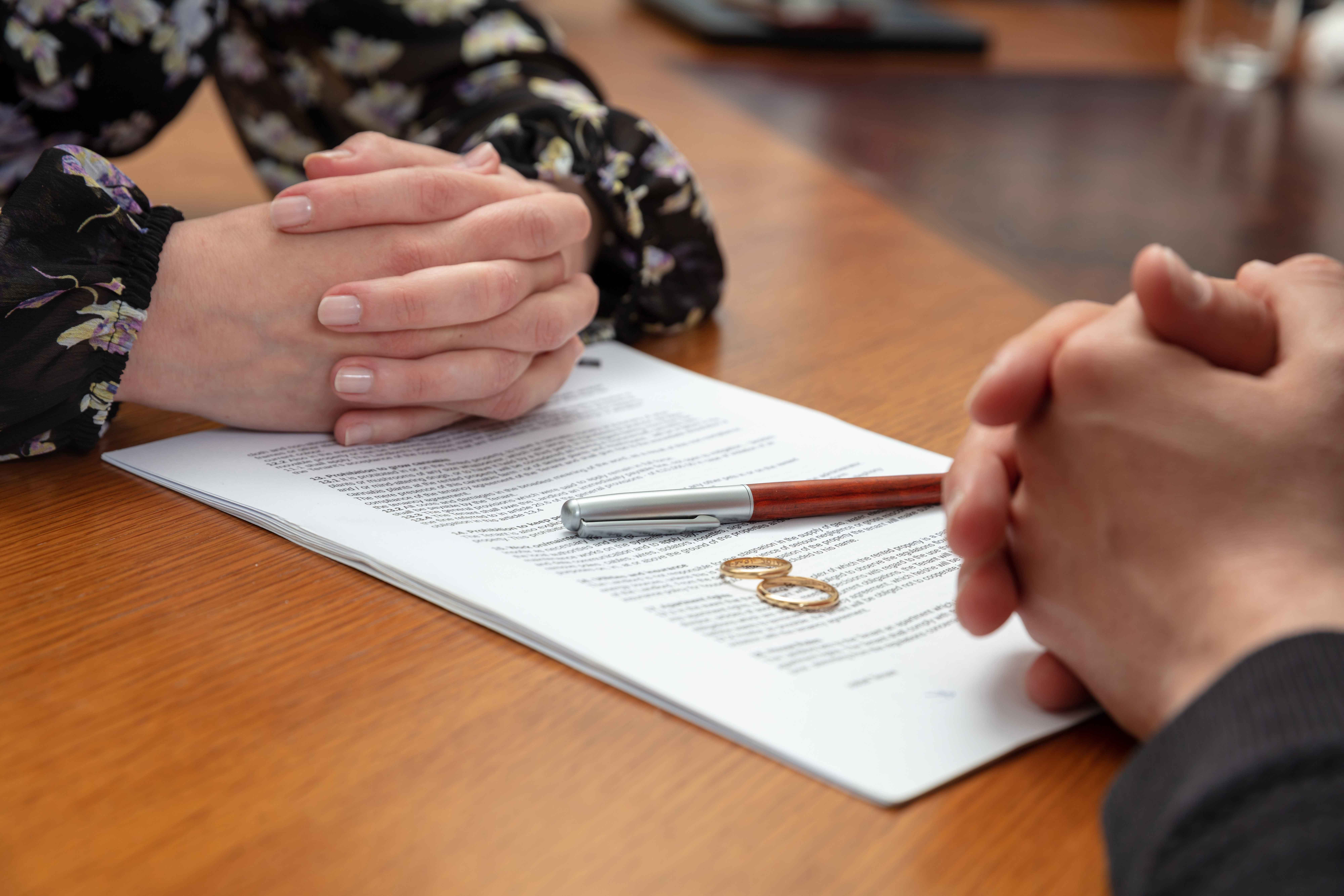
The fate of the family home can be one of the most complex issues when couples are dissolving their marriage. Although Texas is a community property state — wherein assets acquired during the marriage are presumed to be jointly owned — the division of assets is not strictly a 50/50 split. Judges understand that certain properties present difficult issues of valuation and of emotional attachment.
Under Texas Family Code, Chapter 7, Section 7.002, the court must distribute assets in a manner it deems “just and right.” This phrase is purposefully broad, allowing judges to consider the rights and circumstances of each spouse and the best interest of any children in deciding on fair division.
One option for dividing the family home is a sale. This allows the court to distribute the proceeds in a way that reflects each party’s overall entitlement under the “just and right” standard. However, a sale may be less than desirable if the housing market is soft, such that the price the house can fetch is too low to be profitable. Moreover, there may be a high balance remaining on the home mortgage, leaving very little equity.
Another option is a buyout, whereby the spouses agree on one purchasing the other’s share of the home. The amount paid by the buyer can be in the form of cash or by a setoff against their share of total property division. The feasibility of a buyout depends on the buying spouse’s financial resources and ability to refinance the existing mortgage and to assume regular expenses like real estate taxes.
A less common option is shared ownership of the home. This might be considered when both spouses have a vested interest in retaining the property or when it is in the children’s best interest to continue living in the home without the disruption of a sale or forced buyout. Regular monthly expenses concerning the home are also shared. Typically, such arrangements only last until a triggering event, such as the youngest child reaching majority. At that point, there can be a buyout or a third-party sale.
When the court is determining who should retain the family home, it may favor the spouse with primary child custody. The rationale is that the continuity of the children’s environment can be an important factor in their well-being. In return, the non-custodial spouse is usually awarded a larger share of other marital assets, such as retirement accounts, investments or cash. This method helps ensure that the overall division of property remains fair, even if the home is not split equally.
A skilled Texas asset division lawyer can be of vital assistance in advocating for a fair settlement, ensuring that property division is tailored to the specific circumstances of your case and accounts for both financial equity and the best interests of all involved.
The law office of Shelly A. Merchant, with extensive experience in Texas family law, is a valuable resource for people facing divorce in Deer Park, Pasadena, La Porte and neighboring areas of Harris County. Call us at 281-817-0998 or contact us online to schedule a consultation.